

Sustainable Aviation Fuel

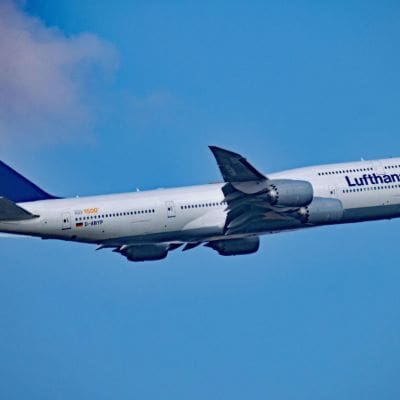

🌍 Sustainable innovation – how Lufthansa uses SAF
💫 The Sustainable Aviation Fuel (SAF) currently used by Lufthansa Group is produced from biogenic residues such as used cooking oils, through the HEFA process (Hydroprocessed Esters & Fatty Acids).
🔹 The CO₂ in these residues was previously absorbed from the atmosphere by plants, creating a near-closed carbon cycle.
🔹 When SAF is burned, it releases only as much CO₂ as was once removed from the air by its source materials.
🔹 While the production and transport of SAF still generate some emissions, Lufthansa’s biogenic SAF has an at least 80% smaller carbon footprint compared with conventional fossil jet fuel.
🔹 The Lufthansa Group explicitly excludes palm oil as a feedstock for SAF production.
🔹 The SAF used meets EU Renewable Energy Directive II (RED II) standards, which define strict sustainability criteria.
🌱 Fly responsibly. Help shape the future of aviation with Lufthansa.

🌍 Cleaner skies with sustainable aviation fuel
💡 Sustainable Aviation Fuel (SAF) refers to all aviation fuels that, unlike conventional kerosene, are produced without the use of fossil resources such as crude oil.
🔹 SAF can be produced from a range of biogenic and non-biogenic sources through innovative production processes.
🔹 It is a true alternative to fossil-based jet fuel and plays a vital role in aviation’s energy transition.
🔹 SAF forms a key part of Lufthansa Group’s sustainability strategy, helping to reduce carbon emissions and promote greener air travel. 👏
🌱 Fly smarter. Fly sustainably.